September 30, 2026
‘Too early’ for capital: Australia has a risk appetite problem

‘Too early’ for capital: Australia has a risk appetite problem
By Dr Dean Moss, CEO, UniQuest
Australia has spent decades talking about becoming the clever country.
Yet for many university startups, the journey from discovery to investment remains far too hard.
We celebrate scientific breakthroughs. We talk about sovereign capability, advanced manufacturing and the need to turn research into products, companies and industries.
But one question remains stubbornly unanswered: If Australia’s best university technologies are still considered “too early” for investment, what exactly does ready look like?
A strong pipeline seeking capital
Right now, UniQuest is supporting several portfolio companies as they raise the capital needed to take University of Queensland-developed technologies to their next stage of growth.
Collectively, they’re seeking investment worth hundreds of millions of dollars.
They include Andara Therapeutics, Curlew Bio, Lucia Bio and NuNerve, which are advancing potential new treatments for autoimmune, inflammatory and neuroinflammatory diseases. They also include quantum ventures such as GridState Photonics, NostiQ Tools, Cortisonic and VeriQuantix, and Banksia Minerals Processing, which is developing a more energy-efficient pathway to unlock copper resources.
These companies operate across very different sectors, from new medicines and diagnostics to quantum computing, cybersecurity and mineral processing. What they share is a foundation in years of UQ research and a commitment to solving significant global challenges.
These are not concepts on a whiteboard.
They are companies built on years of research, backed by strong intellectual property, experienced teams and growing commercial validation. Several are progressing towards or through clinical development, while others have attracted international investment and strategic partners.
And yet raising capital remains extraordinarily difficult.
Is “too early” simply code for risk aversion?
The explanation we hear too often in Australia is: “The technology is too early.”
That argument has some merit. Early-stage technologies are inherently risky. Not every idea succeeds, and not every company will reach the market.
But after three decades working in research commercialisation, I increasingly wonder whether “too early” has become a convenient substitute for a more difficult conversation about risk appetite.
If some of our technologies are attracting serious international attention, can they genuinely still be described as too early?
Or are we confronting a broader challenge in Australia’s investment ecosystem?
This question matters because the commercialisation journey does not end with securing a patent.
Protecting intellectual property is only the beginning.
Building an investable company requires proof-of-concept data, disciplined development, experienced management and evidence that responds to both scientific and commercial questions.
Even when those foundations are in place, companies still need access to patient capital to take the next step.
A gap between ambition and investment
Australia has made important investments in research translation through initiatives such as the Medical Research Future Fund and the National Reconstruction Fund.
Those investments matter. But funding research and backing companies are not the same thing.
Many university startups still hit the same wall: they can secure early funding to prove an idea but struggle to attract the growth capital needed to scale globally.
In some cases, technologies supported through publicly funded programs such as the MRFF have generated the evidence needed to progress towards clinical development yet still struggle to attract growth capital locally.
Too often, Australian innovations reach a point where they must look overseas for support.
The experience is not new. Before Vicebio secured founding investment from Europe, UniQuest had approached more than 30 vaccine companies and investors globally in search of support for its underlying technology.
The cost of caution
I want to stress that this is not a criticism of investors.
Venture investing is difficult. It requires judgement, patience and a willingness to embrace uncertainty.
Nor is it a criticism of the many investors who do back university innovation, including long-standing UniQuest partners such as Uniseed, Brandon BioCatalyst and IP Group.
Rather, it is an invitation to ask whether Australia’s innovation ambitions are matched by our willingness to invest in the technologies we create.
When university startups cannot access sufficient capital locally, they often need to internationalise earlier than their overseas counterparts. That is not inherently a failure. Specialist investors, experienced executives and global partners can be essential to success.
The risk is that Australia retains too little of the capital, expertise, manufacturing capability, jobs and future industries created from its own science.
What success has taught us
The irony is that Australia has already shown that it can produce globally significant innovations and companies from university research.
UQ technologies have underpinned several major biotechnology outcomes, while Gardasil® demonstrates the extraordinary public-health value Australian research can create.
The question is no longer whether Australia can innovate.
It is whether we can create the conditions for that success to occur more often.
This debate comes at a critical time for Australia.
The current parliamentary inquiry into technology and productivity, led by former Industry Minister Ed Husic, is examining how Australia can generate greater economic value from innovation.
Yet commercialising breakthrough technologies requires more than research excellence. It requires capital willing to support the journey from discovery to global company.
A question worth asking
As our current portfolio companies continue their capital-raising journeys, I remain optimistic about their prospects.
Australia’s challenge has never been a shortage of talent, ideas or groundbreaking research. We produce world-class research and ambitious founders. The question is: Are we prepared to back them?
That will require more than a larger pool of capital. Australia needs investors with the specialist capability and mandate to lead early rounds, continuity of funding from proof of concept through growth, and a stronger habit of recycling the capital and experience created by successful companies.
We also need to use international investment strategically while retaining meaningful capability, jobs and value in Australia.
Because if companies built on decades of research, protected IP, experienced leadership and growing commercial validation are still considered “too early”, we need to ask ourselves a difficult question: What exactly does ready look like?
Until we can answer it, we risk watching more Australian innovations, and the jobs and industries they create, be built somewhere else.
Some of UniQuest’s current portfolio companies seeking capital
Andara Therapeutics
A clinical-stage immunotherapy company developing antigen-specific immune tolerising (iTOL™) therapies for autoimmune diseases. Unlike conventional therapies that rely on chronic immunosuppression, Andara aims to restore durable immune tolerance, while preserving protective immunity.
Curlew Bio
Developing novel anti-inflammatory medicines based on a newly discovered immunological pathway, with potential applications across autoimmune and inflammatory diseases.
Lucia Bio
Developing next-generation spleen tyrosine kinase (SYK) inhibitors aimed at treating autoimmune and neuroinflammatory diseases, including Alzheimer’s disease, Parkinson’s disease and motor neurone disease.
GridState Photonics
Developing error protected optical qubits to make fault-tolerant quantum computing scalable, economical and accessible.
NostiQ Tools
Quantum limited microscopy to provide the first diagnostic tool capable of universal, rapid pathogen detection.
Cortisonic
Pioneering the future of AI with reservoir computing, powered by large, interconnected arrays of nanomechanical oscillators.
VeriQuantix
Developing quantum-enabled technology to verify the physical security of fibre optic networks and detect interception attempts on critical communications infrastructure.
NuNerve
A clinical-stage biotechnology company progressing a biologic therapy designed to remove a biological brake on motor neuron regeneration, with the potential to preserve motor neuron function and support neuronal repair across sporadic and familial MND.
Banksia Minerals Processing
Developing a more energy-efficient process to extract copper from lower-quality resources, with the potential to support more sustainable and locally based copper production.
Latest news
September 21, 2026
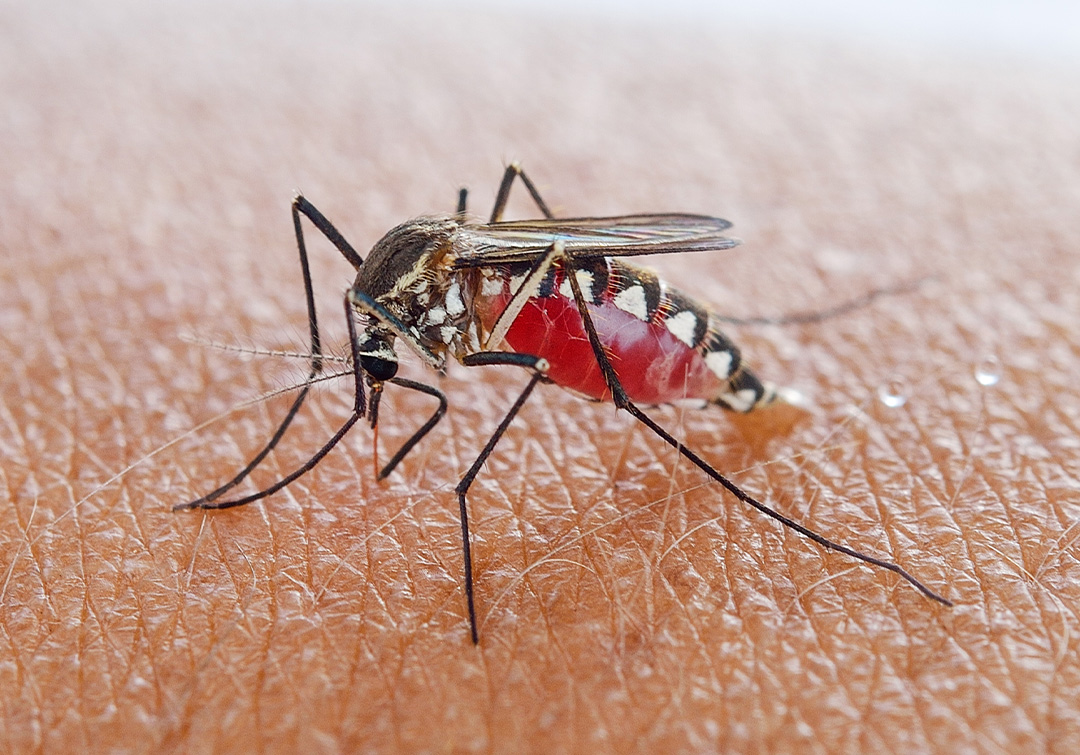
A homegrown vaccine platform demonstrated in animals could soon become a ‘plug-and-play’ system to rapidly adapt to future mosquito-borne disease threats in humans.
June 19, 2026
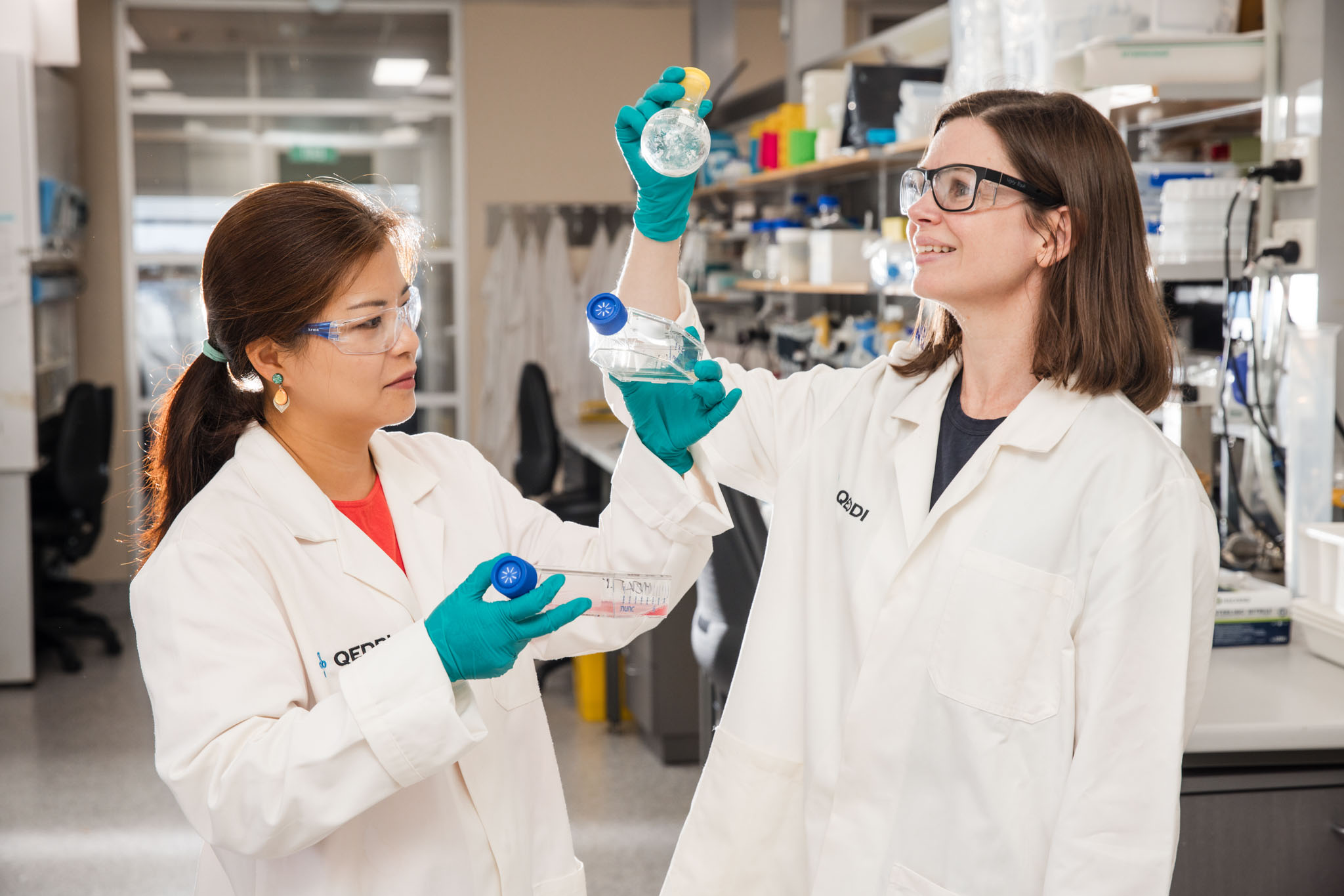
A promising new treatment for advanced and therapy-resistant prostate cancer developed from research conducted at The University of Queensland has taken a major step towards the clinic.
April 30, 2026
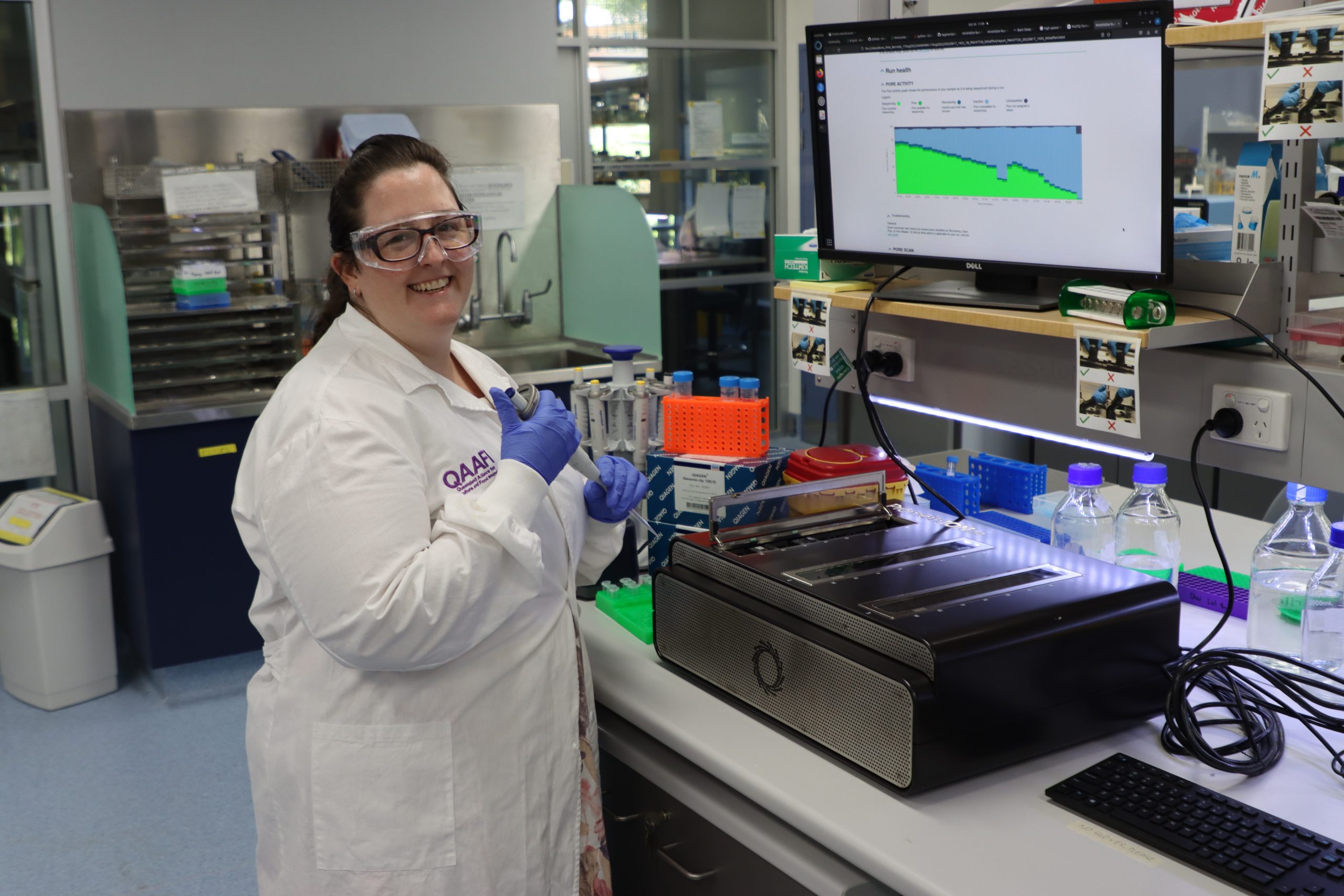
Australian cattle producers can more accurately determine whether animals in their herd will grow horns thanks to a new genetic test developed using University of Queensland research.
February 24, 2026
A discovery made at The University of Queensland using blood-clotting proteins found in Australian snake venoms has been translated into a pathology product in Japan.
Media contacts


