
June 19, 2026
UniQuest and Ellison Medical Institute sign exclusive licence to advance prostate cancer therapy toward first-in-human studies
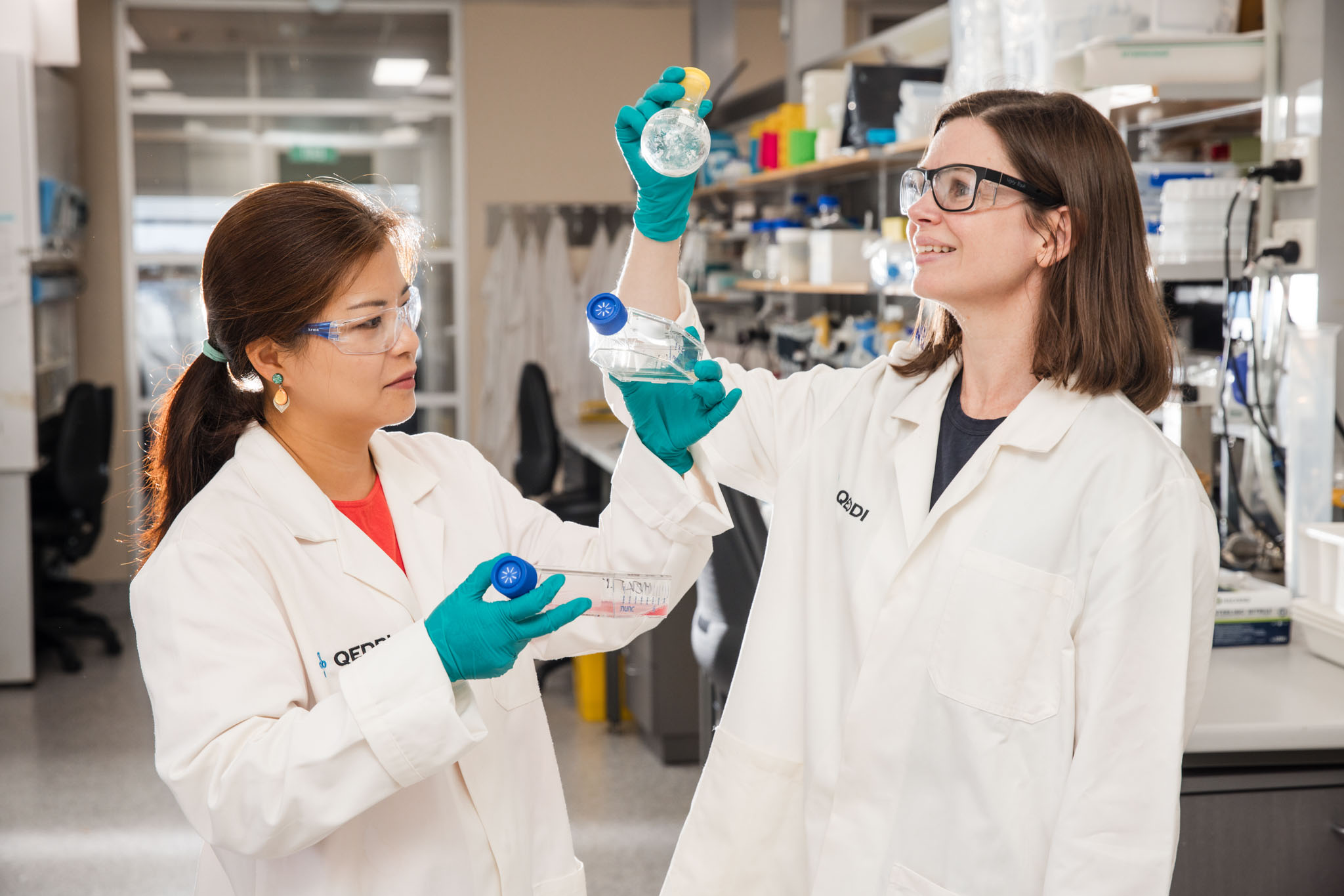
A promising new treatment for advanced and therapy-resistant prostate cancer developed from research conducted at The University of Queensland has taken a major step towards the clinic.
UniQuest, the commercialisation company of UQ, has entered into an exclusive licence agreement with the Ellison Medical Institute (EMI) to develop and commercialise UQ’s small molecule therapeutic QED-203.
Under the agreement, EMI will support the continued development of QED-203 using its integrated capabilities, including AI-driven research, human-relevant preclinical models, and in-house clinical expertise.
In partnership with UQ, these capabilities are expected to help accelerate development of QED-203 towards first-in-human clinical studies in 2027.
Based on research led by Professor Greg Monteith from UQ’s School of Pharmacy and Pharmaceutical Sciences, QED-203 was developed at the Queensland Emory Drug Discovery Initiative (QEDDI), the small molecule drug discovery group of UniQuest.
The treatment is being developed for metastatic castration-resistant prostate cancer (mCRPC), an advanced form of the disease where patients often have limited treatment options after standard therapies stop working.
QEDDI Head Dr Brian Dymock said QED-203 was a potential first-in-class therapy targeting TRPV6, a calcium ion channel associated with aggressive prostate cancer.
“Patients with metastatic castration-resistant prostate cancer often face very limited options once existing therapies stop working,” Dr Dymock said.
“Our goal has been to develop a novel treatment approach that could ultimately improve clinical outcomes for patients with advanced and therapy-resistant disease.”
Professor Monteith said the deal marked an important milestone and built on more than 15 years of research into the role of calcium-signalling in cancer progression.
“This deal reflects years of collaboration with QEDDI scientists to develop a completely new therapeutic approach for patients with advanced disease,” Professor Monteith said.
EMI Founding CEO Dr David Agus said he was excited to support the development of QED-203 to address urgent unmet needs in metastatic prostate cancer and meaningfully benefit patients.
“EMI is uniquely positioned to push this work forward, with deep expertise in oncology and a translational mission built for programs like this,” Dr Agus said.
“Together, with UniQuest, we’re bringing expertise and a shared sense of purpose needed to move this work forward for the patients and families who need it most.”
UniQuest CEO Dr Dean Moss said the deal highlighted the strength of QEDDI’s model for translating world-class research at UQ into commercial opportunities with the potential to deliver impact.
“This partnership demonstrates the value of building dedicated drug discovery and translation capability around outstanding university research,” Dr Moss said.
“QEDDI was established to help transform promising discoveries from UQ into high-quality development candidates, and this partnership with EMI is a strong example of that model in action.
“It is particularly pleasing to see a therapy originating from UQ research attract an international partner with the capability and commitment to support its further development towards the clinic and, in time, to patients.”
QED-203 has been supported by the Biomedical Translation Bridge (an initiative of the Medical Research Future Fund delivered by MTPConnect); the Critical Path Institute’s Translational Therapeutics Accelerator; and the National Health and Medical Research Council Development Grant scheme to fund key preclinical studies, manufacturing and safety activities.
Latest news
September 23, 2026
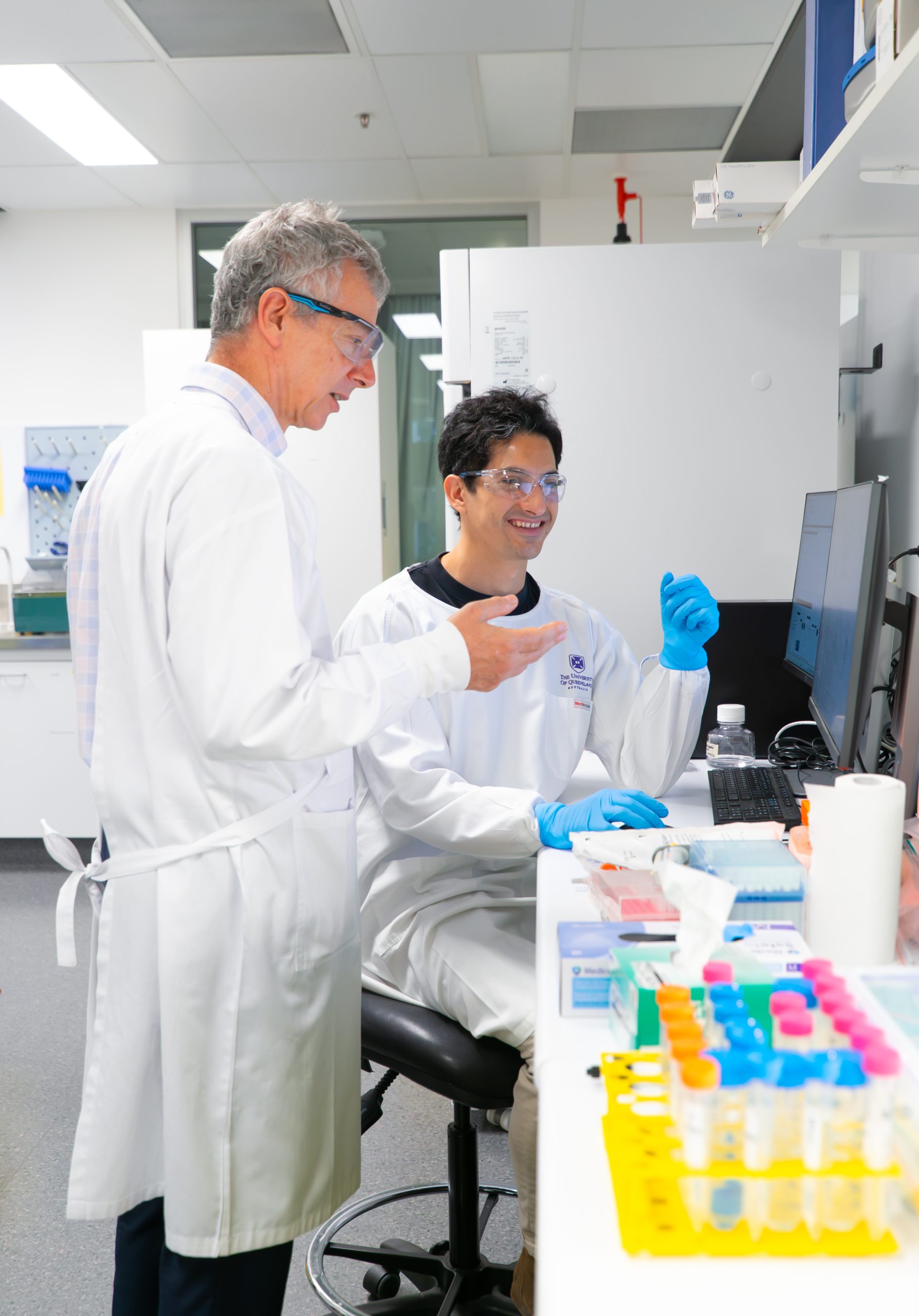
Two UQ research teams supported by UniQuest have secured $4 million in CUREator+ funding to advance potential new therapies for Alzheimer’s disease and dementia, accelerating the journey from laboratory discovery towards clinical development.
September 21, 2026
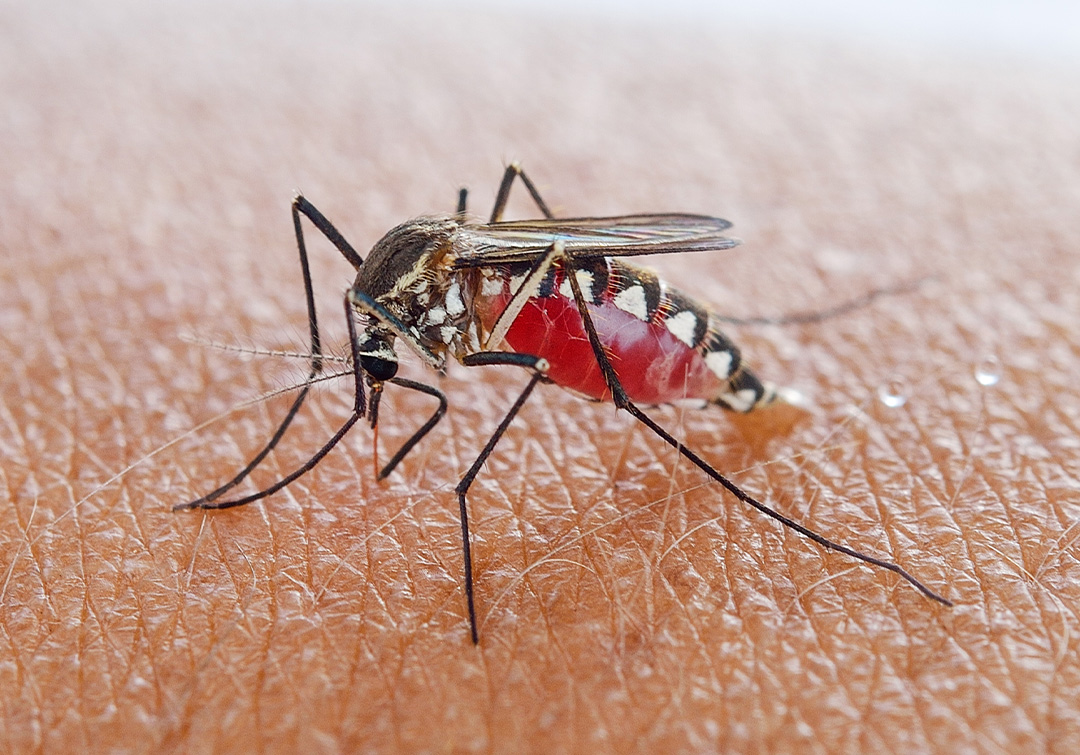
A homegrown vaccine platform demonstrated in animals could soon become a ‘plug-and-play’ system to rapidly adapt to future mosquito-borne disease threats in humans.
April 30, 2026
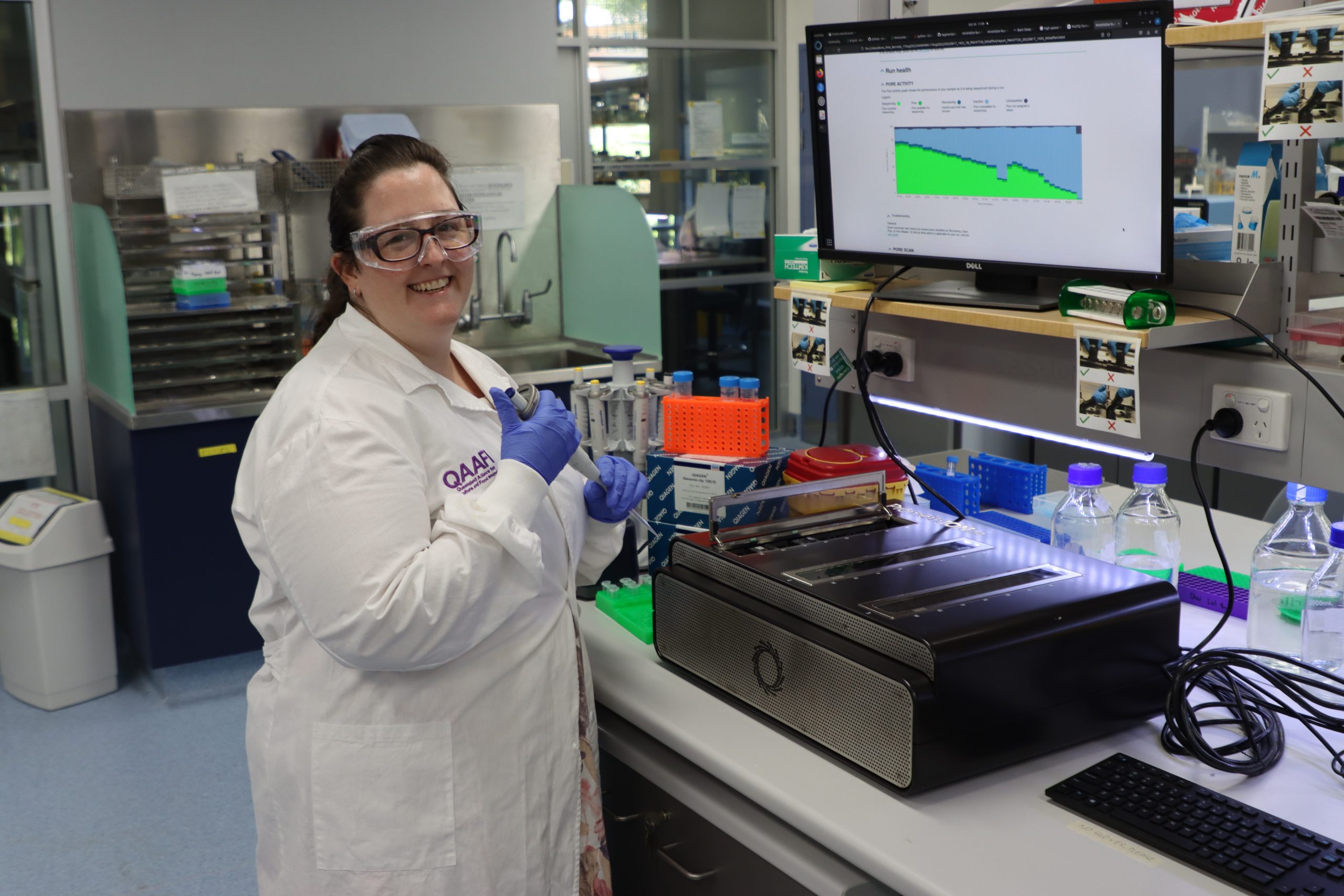
Australian cattle producers can more accurately determine whether animals in their herd will grow horns thanks to a new genetic test developed using University of Queensland research.

February 24, 2026
A discovery made at The University of Queensland using blood-clotting proteins found in Australian snake venoms has been translated into a pathology product in Japan.
Media contacts