July 01, 2025
The BIO2025 Diaries
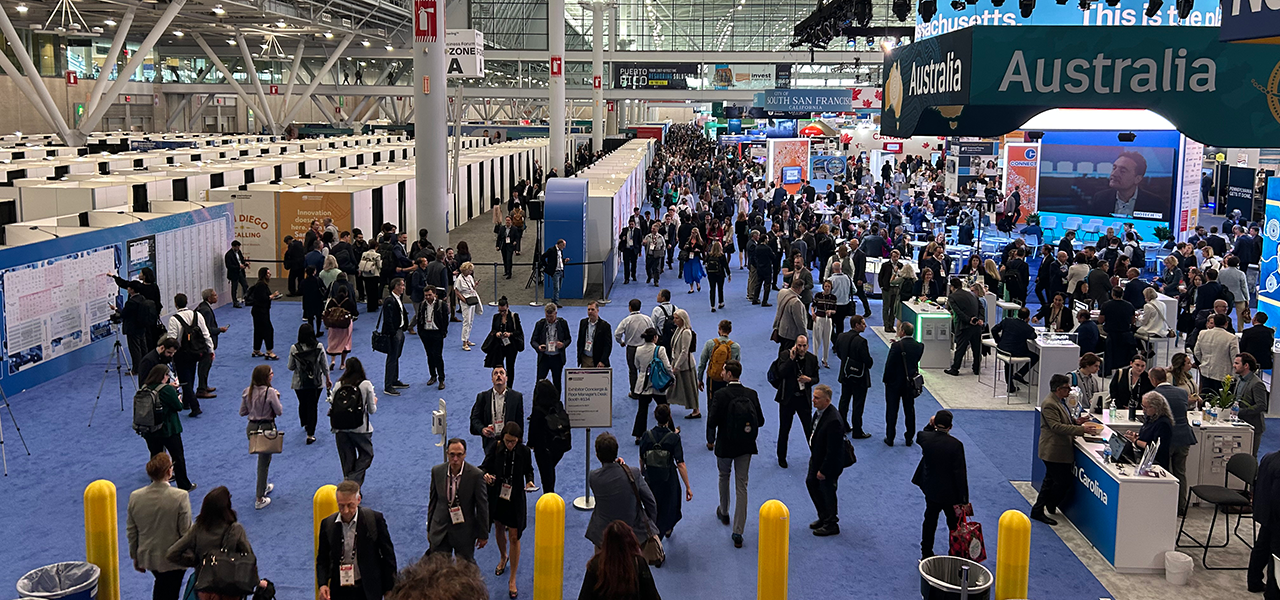
The BIO International Convention held in June in Boston offered a compelling glimpse into the future of therapeutic development.
The UniQuest team held more than 95 meetings with companies in the life science space, seeking feedback and interest in specific projects in the UniQuest pipeline from UQ researchers, as well as gaining insights on specific industry needs. Here are their key takeaways.
The era of naked antibodies is over: The field of antibody therapeutics is undergoing a significant transformation. Traditional “naked” monoclonal antibodies – those without additional functional components – are rapidly falling out of favour. Instead, the spotlight is on antibody-drug conjugates (ADCs) or antibody radioligand conjugates and multi-specific antibodies, which offer enhanced targeting, efficacy and versatility. These engineered formats are being designed to deliver cytotoxic payloads directly to diseased cells or to engage multiple targets simultaneously, opening new avenues for precision medicine.
Rethinking pain models in preclinical research: Another major shift is occurring in the evaluation of pain therapeutics. Pharma companies are moving away from mouse pain models, citing limited translational relevance. Instead, there is growing reliance on rat and human dorsal root ganglion (DRG) models, which provide more predictive insights into human pain mechanisms. This pivot underscores the industry’s commitment to improving the clinical success rate of analgesic candidates by investing in more physiologically relevant systems. These developments highlight the importance of staying agile in research approaches and aligning with industry standards to enhance translational impact. For UQ researchers, this is a timely opportunity to reassess experimental models.
Peptides as a therapeutic modality: Peptides continue to gain traction as a validated therapeutic class, with several recent clinical successes reinforcing their potential. However, the consensus remains that peptides must be the right modality for the right indication, not a one-size-fits-all solution. A significant trend is the push toward oral peptide formulations, with multiple companies investing in overcoming delivery challenges to improve patient compliance and broaden therapeutic applications.
Obesity: Obesity and metabolic indications are of a very high interest to pharma and biotech, and they will be willing to partner earlier on these indications.
Ageing biology as a source of novel therapeutic targets: Ageing biology is gaining traction as a strategic focus across both human and animal health sectors. Major players including Eli Lilly, Novartis, Genentech/Roche, Merck and Elanco highlighted their increasing investment in age-related mechanisms as a foundation for novel therapeutic innovation targeting diseases of ageing. This growing momentum presents a timely opportunity for UQ researchers to advance cutting-edge research and translational approaches in this rapidly evolving field.
Evolving biotech partnership strategies: Biotech companies are increasingly seeking therapeutic partnerships at later developmental stages and after the establishment of robust preclinical efficacy data and strong toxicology packages that help de-risk the asset.
Growing momentum in women’s health: Major pharmaceutical companies including Boehringer Ingelheim, Merck KGaA, Eli Lilly Ventures, Bayer, Ferring Pharmaceuticals and Estetra, prioritised conditions such as endometriosis and menopause within their therapeutic pipelines. This shift presents a timely opportunity for UQ researchers in Women’s Health to engage with industry partners on innovative solutions. This momentum signals a more collaborative and commercially focused landscape for advancing research and improving outcomes in a historically underfunded area.
AI in drug discovery: Speakers emphasised AI’s growing role across the drug development pipeline from target identification and molecule design to clinical trial optimisation and regulatory submissions. The consensus was clear: data is the new differentiator. Organisations that can curate, structure and share high-quality datasets will lead the next wave of innovation and presents an opportunity for academic institutions like UQ to collaborate with industry, contribute to and benefit from AI-ready data ecosystems.

The UniQuest BIO2025 attendees (pictured left to right): Senior Director, Commercialisation – Life Sciences, David Markwell; Director of Business Development – QEDDI, Laura Kearney; Senior Director, Commercialisation – Life Sciences, Dr Tamsin Terry; Head of Life Sciences Dr Craig Belcher; and Associate, Commercialisation – Life Sciences, Dr Adam Stephenson. Not pictured: Director, Commercialisation – Life Sciences, Dr Idalia Ridley and Head of Strategic Partnerships, Dr Andrew Harvey.
Latest news
September 23, 2026
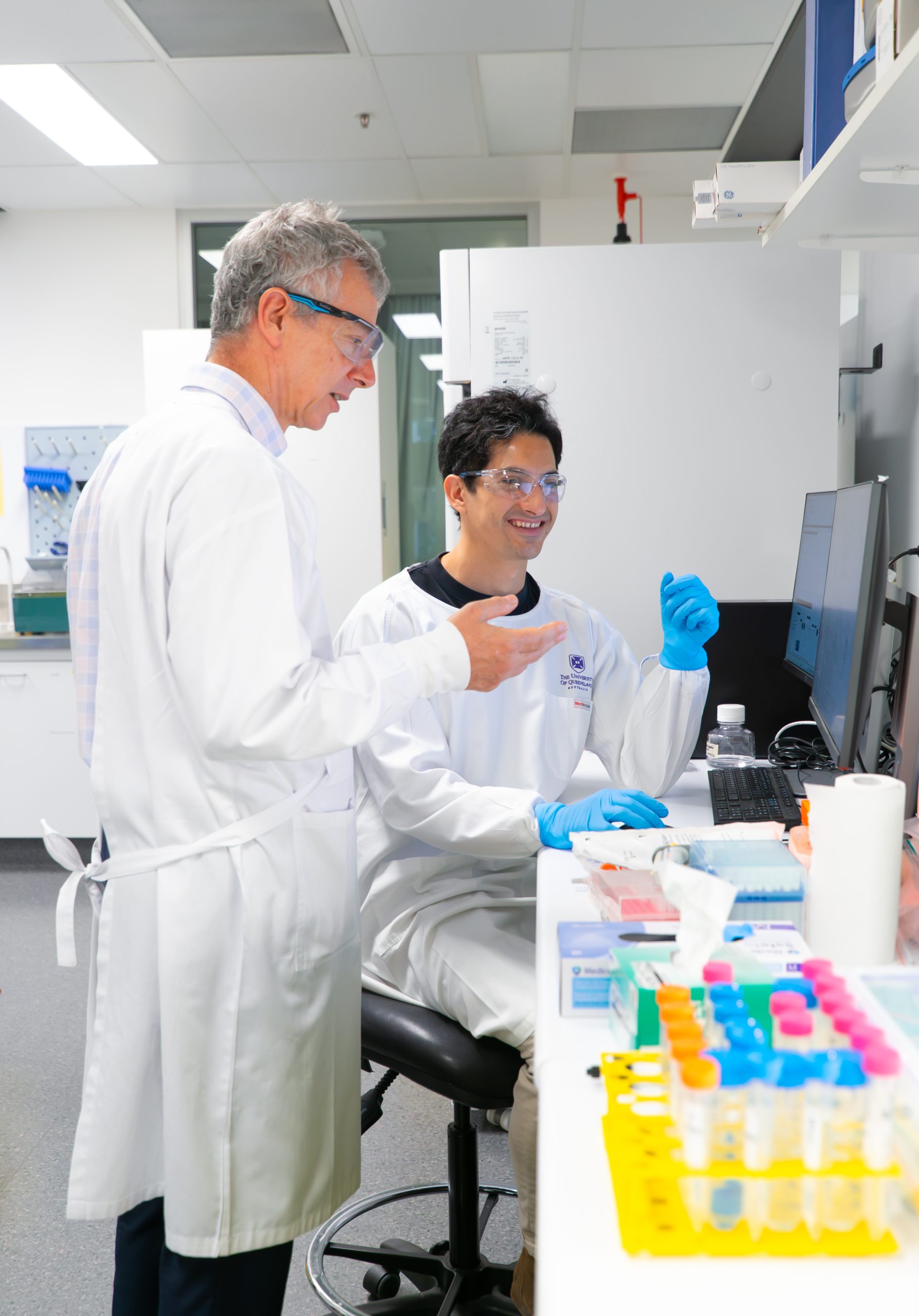
Two UQ research teams supported by UniQuest have secured $4 million in CUREator+ funding to advance potential new therapies for Alzheimer’s disease and dementia, accelerating the journey from laboratory discovery towards clinical development.
September 21, 2026
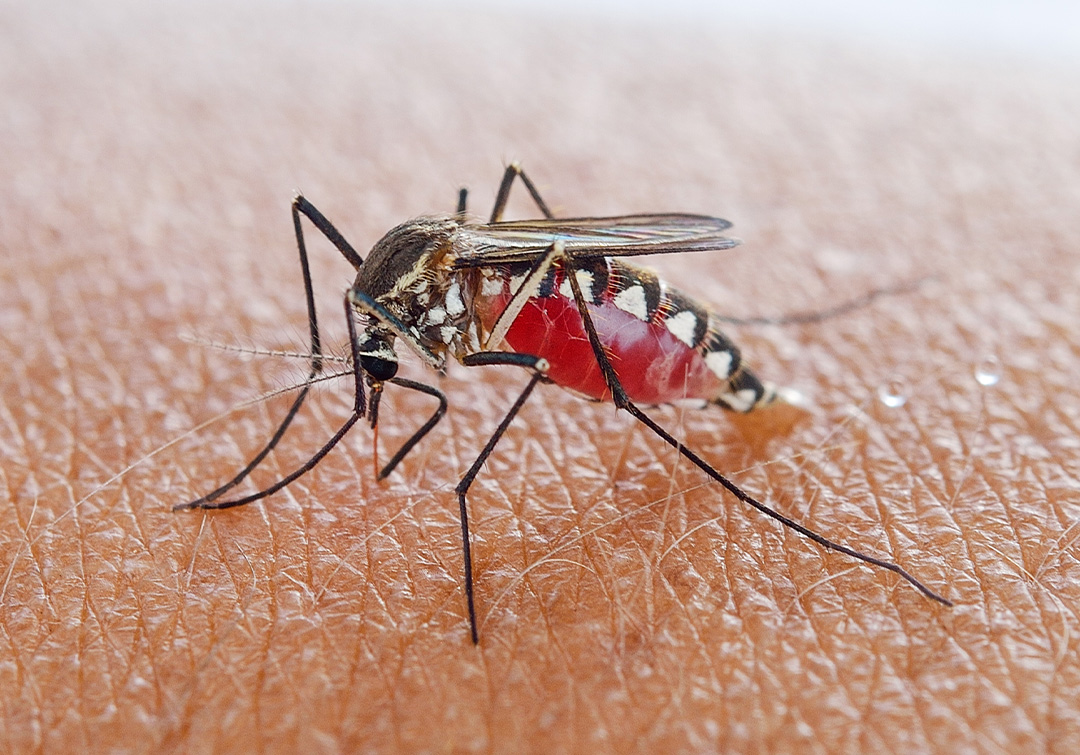
A homegrown vaccine platform demonstrated in animals could soon become a ‘plug-and-play’ system to rapidly adapt to future mosquito-borne disease threats in humans.
June 19, 2026
A promising new treatment for advanced and therapy-resistant prostate cancer developed from research conducted at The University of Queensland has taken a major step towards the clinic.