July 22, 2025
Billion-dollar deal takes UQ vaccine tech to the world
Acquisition of a biopharmaceutical company commercialising The University of Queensland’s Molecular Clamp technology has been agreed by one of the world’s leading healthcare companies in a landmark deal.
Key points
- Sanofi has agreed to acquire a company utilising The University of Queensland’s Molecular Clamp technology for a total upfront payment of US$1.15 billion, with potential milestone payments of up to $450 million based on development and regulatory achievements.
- UQ licensed the technology to Vicebio to progress the Molecular Clamp towards clinical trials and commercialisation.
- UQ will continue to use the technology for pandemic preparedness research in collaboration with the Coalition for Epidemic Preparedness Innovations (CEPI).
Sanofi has entered into an agreement to acquire Vicebio, a company formed in 2018 to develop UQ’s proprietary Molecular Clamp technology to make vaccines against life-threatening respiratory viral infections.
The deal is the largest involving a company that is commercialising intellectual property (IP) from an Australian university.UQ Vice-Chancellor Professor Deborah Terry AC said the acquisition represented an opportunity for the technology to be accelerated through the final stages of translation into a vaccine to address global health challenges
“This extraordinary outcome validates 12 years of UQ research, and I pay tribute to the dedicated UQ scientists who invented the patented Molecular Clamp technology.
“Professor Keith Chappell, Professor Daniel Watterson and Emeritus Professor Paul Young have a tremendous passion for research that delivers for the public good and they exemplify what we strive for at UQ.
“The acquisition is a compelling vote of confidence in the strength of Australian university research to develop innovations that can be translated into life-saving solutions with a world-leader in the vaccine space.”
Rapid response
The Molecular Clamp technology gained worldwide attention in early 2020 when the Coalition for Epidemic Preparedness Innovations (CEPI) asked The University of Queensland to develop a potential vaccine for COVID-19.
Professor Chappell said he was proud of the quality of the research conducted by the team at UQ and of the strong partnership forged with Vicebio.
“A key advantage of the Molecular Clamp platform is that it streamlines vaccine development across different viral families,” Professor Chappell said.
“This is incredibly important for outbreak responses but facilitates the efficient development of multi-pathogen vaccines that we believe will protect vulnerable populations against common viruses that cause severe respiratory diseases.
“Of course, we will never forget the outpouring of support and the funding from Australian and Queensland governments and donors during the pandemic that enabled us to rapidly develop a vaccine candidate and to conduct a phase 1 clinical trial in Australia.
“As a researcher, the aim is always to make a difference and there’s more to be done as we continue to focus on pandemic preparedness.”
CEPI and UQ announced a partnering agreement to develop a rapid response vaccine platform in early 2019 to support CEPI’s mission to develop life-saving vaccines against emerging infectious diseases.
Road to commercialisation
Vicebio was created by European investment firm Medicxi, a European life sciences investment fund with an €18M commitment.
The University is a shareholder in Vicebio, through direct investment and the licensing of the vaccine platform technology for commercialisation by UniQuest, the University’s wholly owned commercialisation company.
Vicebio shareholders will receive an upfront payment of US$1.15 billion, with potential milestone payments of up to US$450 million based on development and regulatory achievements.
Professor Terry said that through UniQuest, UQ has become a leader in university commercialisation in Australasia, demonstrated by the granting of more than 360 US patents and the creation of over 130 startup companies using UQ IP.
“These companies have gone on to raise more than AUD$1 billion to take UQ technology to market and grossed more than AUD$86 billion in product sales.
“They include the licensing of the UQ-invented cervical cancer vaccine GARDASIL®, and more recently Spinifex Pharmaceuticals and Inflazome, another two of the largest university startup acquisitions in Australian history.”
Professor Terry said UQ’s model of commercialisation, centering around the dedicated commercial professionals in UniQuest, was a key ingredient in this long-term success.
“This deal highlights the strength of the Australian innovation ecosystem and the world-class research emerging from our universities. We’re proud to help bring these innovations to a global market,” Professor Terry said.
The inventors
Keith Chappell, Dan Watterson and Paul Young teamed up in 2012 on research to stabilise the viral proteins that are the primary target of immune defence. All 3 completed undergraduate studies at UQ.
Professor Keith Chappell completed his PhD at UQ in 2007, after a Bachelor of Science (Hons) in 2003. After undertaking post-doctoral research in Spain, he returned to UQ in 2011.
Professor Dan Watterson was also in the graduating Bachelor of Science (Hons) class of 2003. He was awarded a PhD in 2012, also at UQ.
Professor Paul Young completed a Bachelor of Science (Hons) at UQ in 1977. He earned a PhD from the University of London in 1986, before returning to teach and research at UQ in 1991. He was made an Emeritus Professor on his retirement in 2024.
Latest news
September 23, 2026
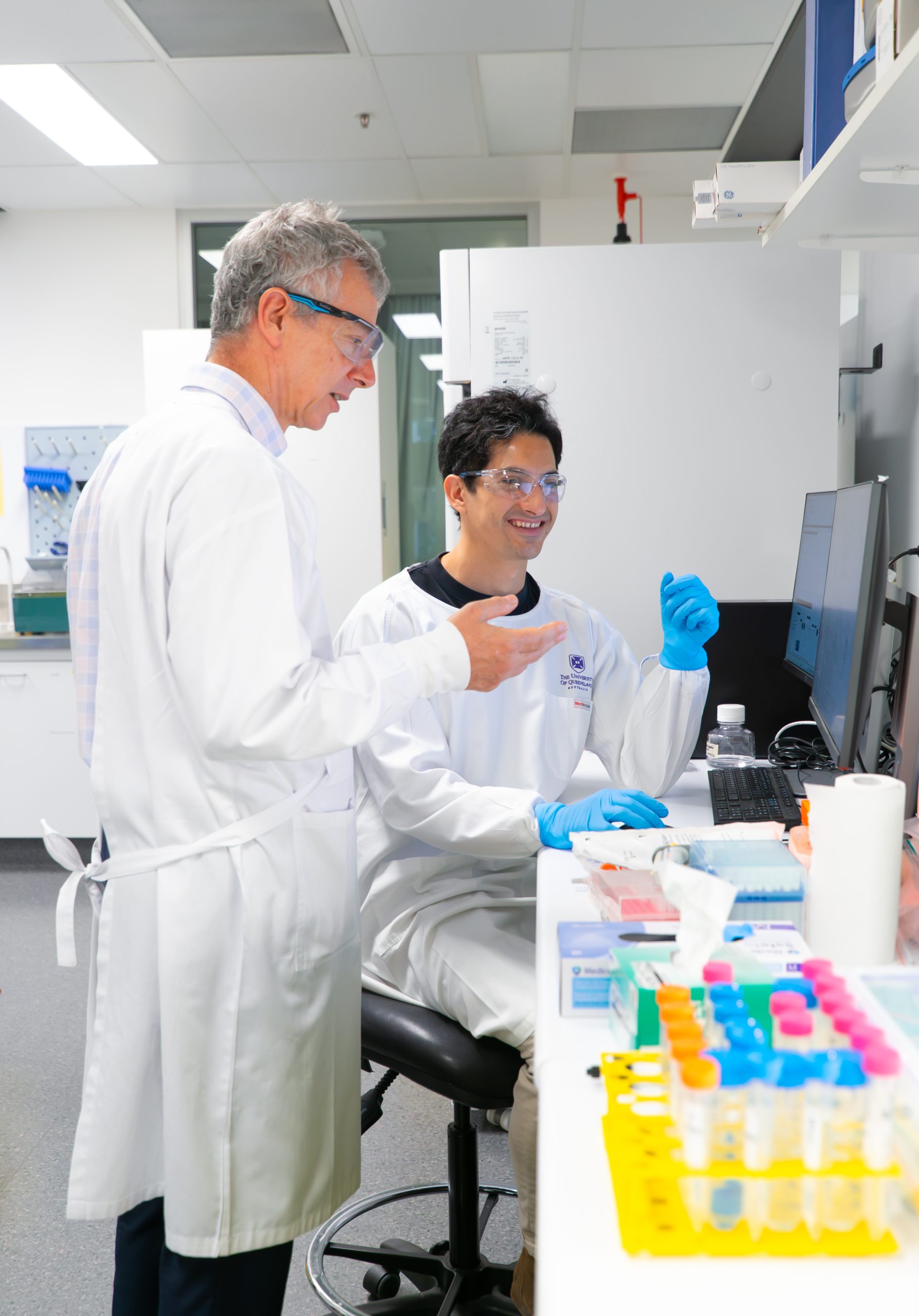
Two UQ research teams supported by UniQuest have secured $4 million in CUREator+ funding to advance potential new therapies for Alzheimer’s disease and dementia, accelerating the journey from laboratory discovery towards clinical development.
September 21, 2026
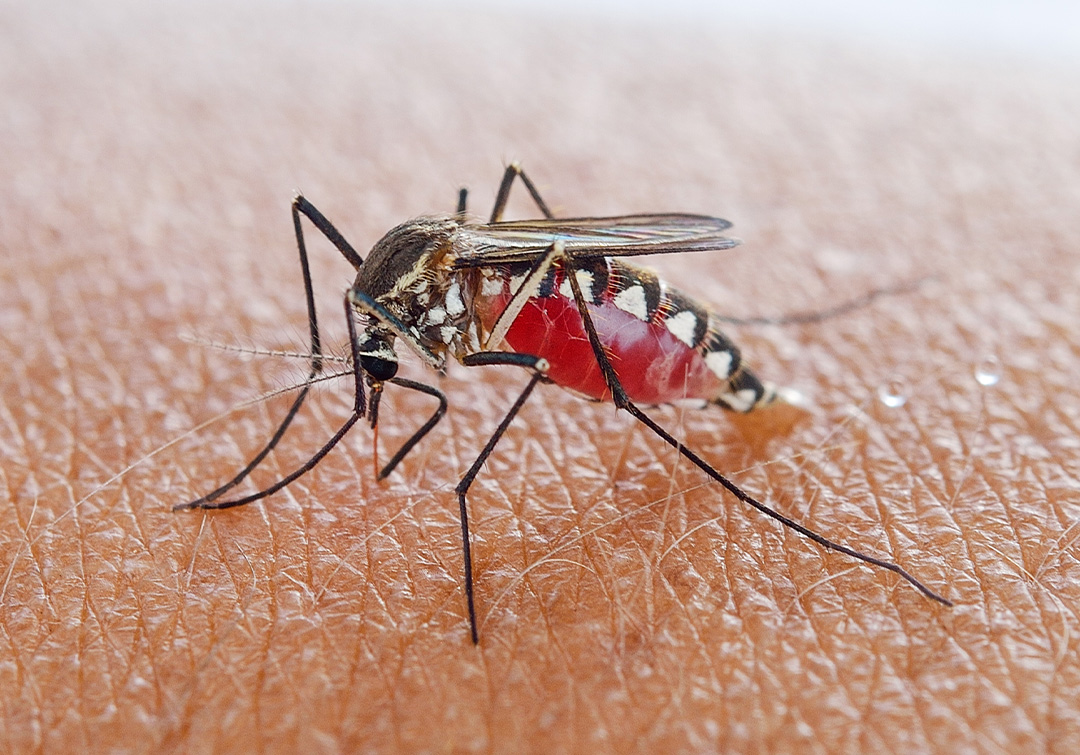
A homegrown vaccine platform demonstrated in animals could soon become a ‘plug-and-play’ system to rapidly adapt to future mosquito-borne disease threats in humans.
June 19, 2026
A promising new treatment for advanced and therapy-resistant prostate cancer developed from research conducted at The University of Queensland has taken a major step towards the clinic.